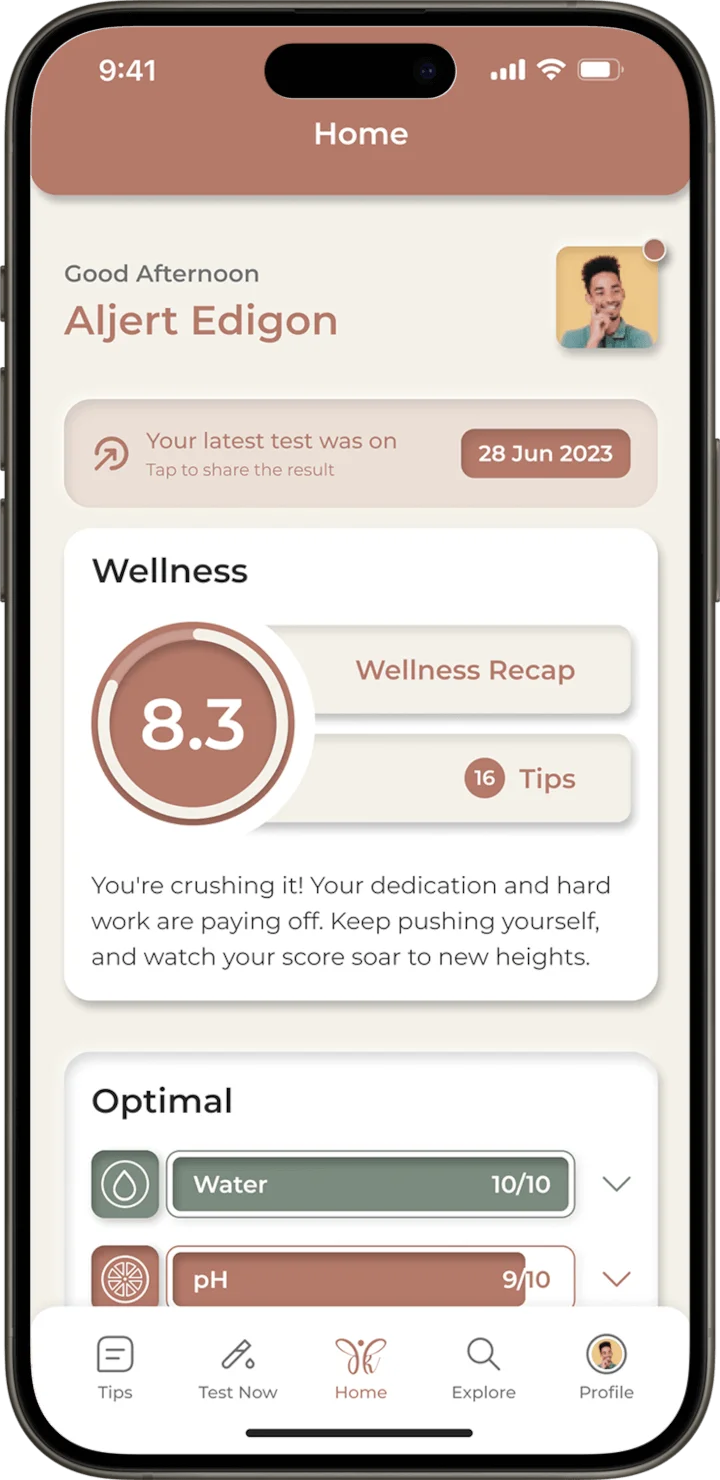

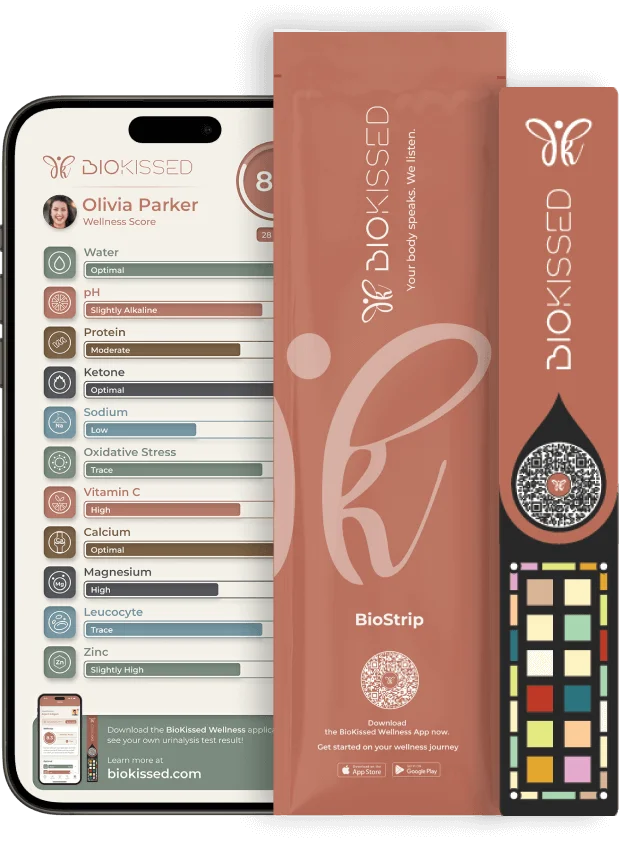

Testing urine for water levels can help determine whether you drink enough fluids to stay hydrated. Dehydration can cause headache, fatigue, and dizziness.

Testing urine pH helps determine whether your body is too acidic or alkaline. Maintaining a balanced pH is essential for healthy digestion, bone health, and immune function.

Testing urine for protein levels can help identify kidney damage, disease, and other health issues such as urinary tract infections or diabetes.

Testing urine for ketones can help determine whether you are in a state of ketosis — helpful for people following a low-carbohydrate or ketogenic diet.

Testing urine for sodium levels provides insights into salt consumption and whether you are at risk for high blood pressure, kidney stones, or other sodium-related health issues.

Assess urine oxidative stress levels to evaluate your body's antioxidant status and identify whether excess free radicals may be contributing to inflammation or cellular damage.

Testing urine for vitamin C levels can help determine whether you are getting enough of this vital nutrient, essential for immune function, wound healing, and collagen production.

Testing urine for calcium levels can help determine whether you are at risk for osteoporosis, a condition in which bones become weak and brittle over time.

Testing urine for magnesium levels can help identify magnesium deficiency, which can cause muscle cramps, fatigue, and high blood pressure.

Testing urine for zinc levels can help identify zinc deficiency, which can cause hair loss, skin problems, and weakened immune function. Zinc is also crucial for wound healing.